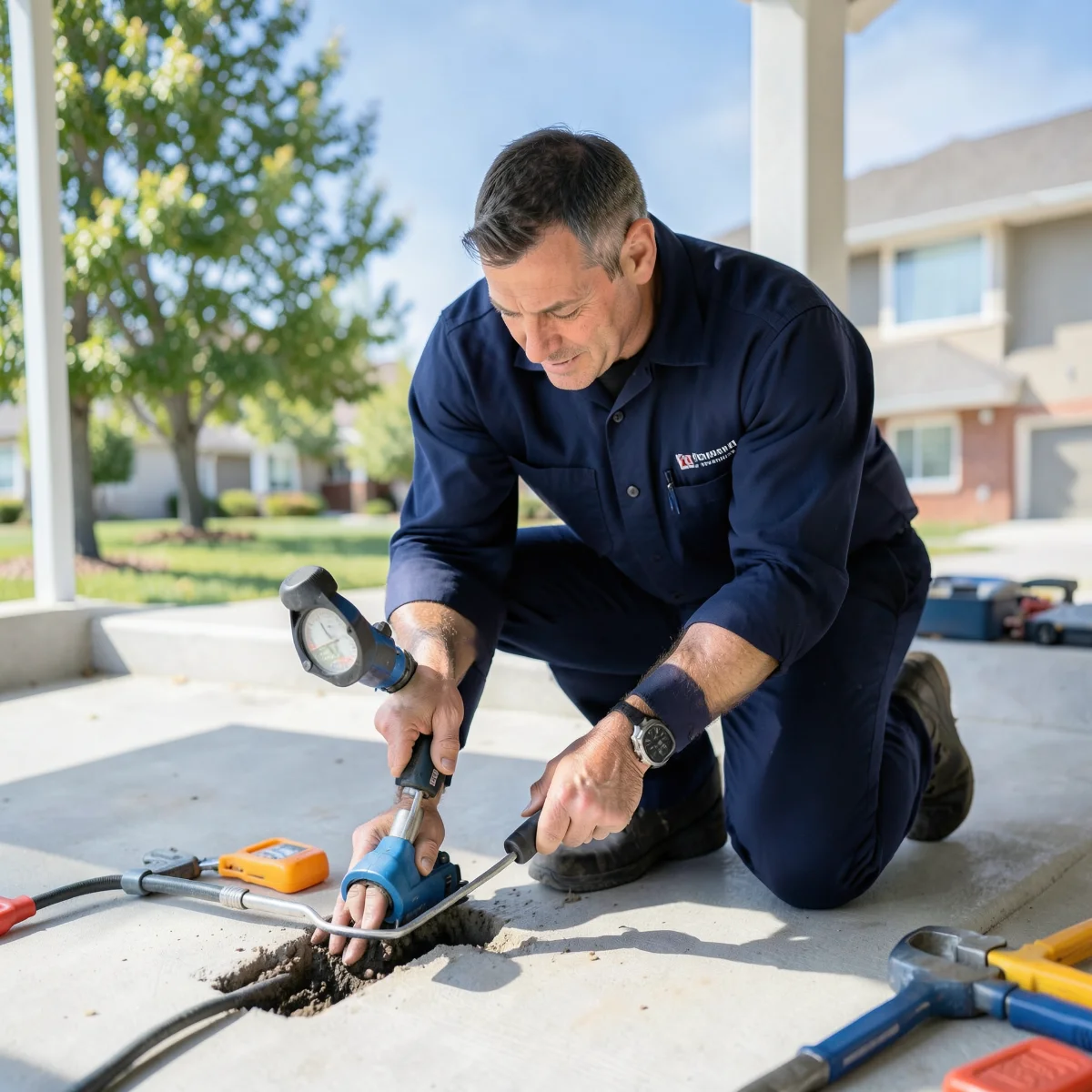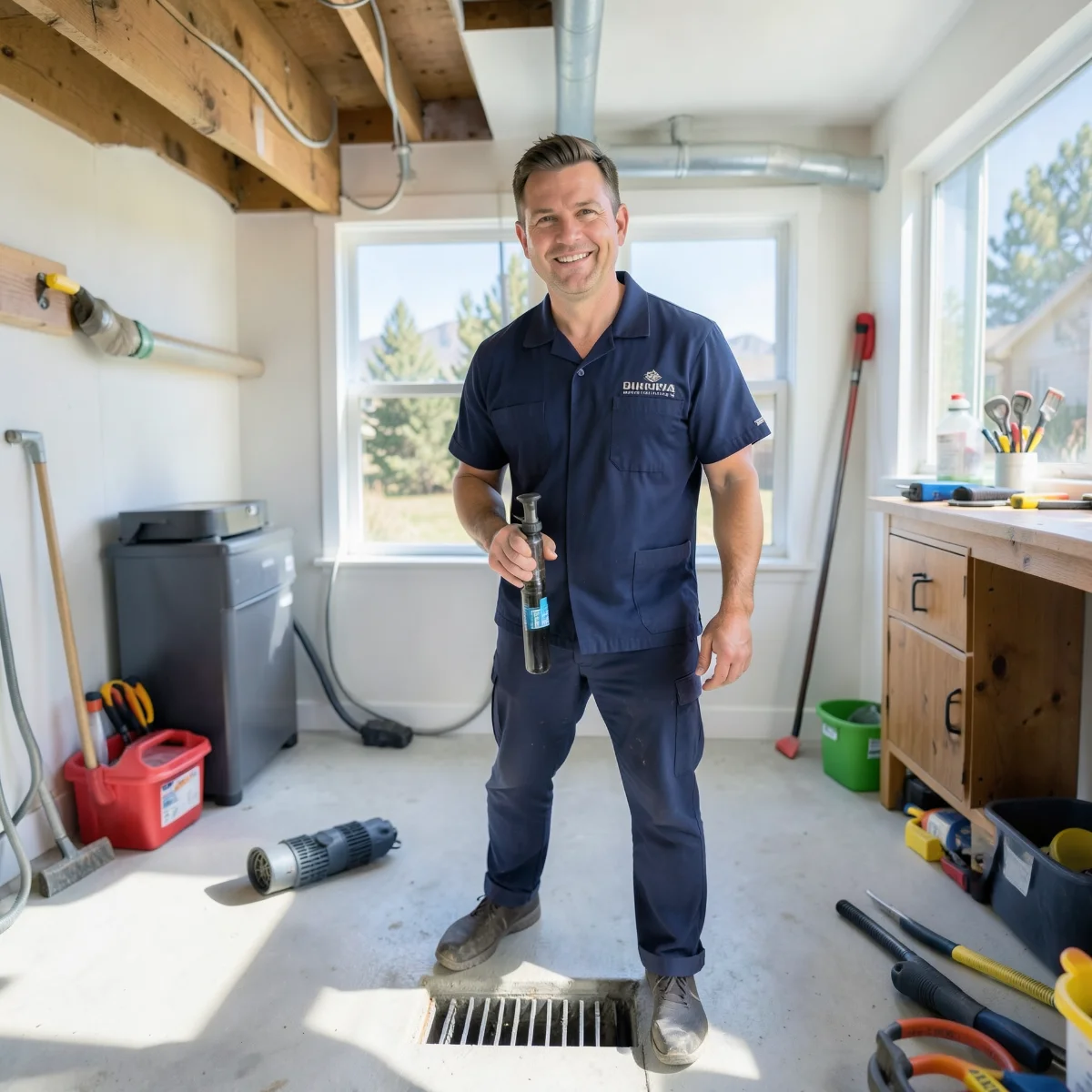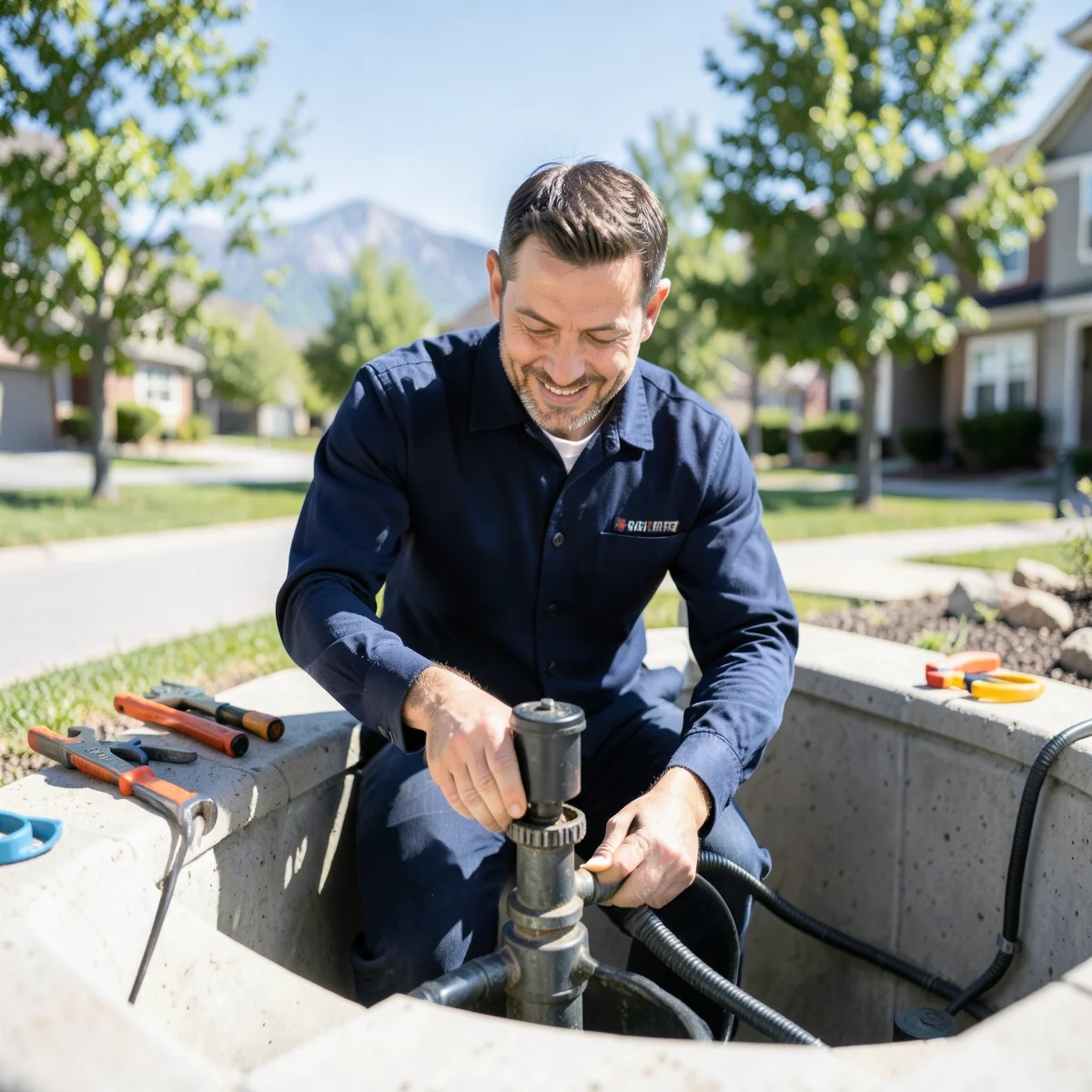
Sump pumps are one of those systems that exist in the background until they fail at the worst possible moment. For Colorado homeowners, that moment is usually a March or April snowmelt event — when soil saturation peaks, hydrostatic pressure against foundation walls is at its highest, and the pump that has been sitting idle since fall is asked to work hard for the first time in months.
The maintenance routine is not complicated. It takes about 45 minutes, requires no specialized tools for most of it, and should happen at minimum twice a year — once in early spring before melt season and once in fall before freeze-up. In Lake Arbor and other neighborhoods built near water features, where sump systems work harder than average, quarterly checks make sense.
Testing the pump and float
The simplest test is also the most important: slowly pour five gallons of water into the sump pit and watch what happens. The float — a ball or arm-style sensor — should rise with the water level and trigger the pump at the set point. The pump should activate, discharge the water, and shut off cleanly when the level drops. If any part of that sequence does not happen, you have identified a failure mode before it costs you.
Common float problems: a float that is tangled or fouled by debris will not rise freely. Debris in the pit — gravel, mud, insects — accumulates over seasons and can jam a float in the down position (pump never runs) or prop it up permanently (pump runs continuously until it burns out). Clean the pit annually as part of this routine.
Pump problems: if the float rises correctly but the pump does not activate, the electrical connection may have worked loose, or the motor has failed. Confirm the pump is plugged in and the circuit is live. If power is confirmed and the pump is still silent when the float is up, the motor or switch has likely failed — call for sump pump service to assess replacement.
Cleaning the sump pit and pump intake
Disconnect the pump from power before cleaning. Lift the pump out of the pit by its discharge pipe or handle. Rinse the pump body and intake screen with a garden hose to remove debris and sediment from the housing. Use a wet/dry vacuum to remove standing water and accumulated debris from the pit. Rinse the pit walls with a bucket of clean water and vac again.
Inspect the pump intake screen for cracks or blockages. A clogged intake reduces pump capacity significantly; in high-load events, an undersized effective intake can cause the pump to run but move far less water than it is rated for. If the screen is cracked or severely fouled, replace it — most are simple snap-on parts.
Also inspect the check valve in the discharge line — usually located a foot or two above the pump on the vertical section of pipe. This one-way valve prevents the water you just discharged from flowing back into the pit when the pump shuts off. A failed check valve means the pump short-cycles constantly, burning the motor out prematurely.
The battery backup: the most important component
In Colorado, the highest groundwater pressure events happen during storm-driven snowmelts — the same events most likely to cause power outages. A sump pump without battery backup has a systematic vulnerability: it fails exactly when you need it most.
Battery backup systems come in two configurations: a secondary pump with its own battery that activates when the primary pump fails or when power is out, and combination units where the primary pump runs on AC power normally and switches to battery automatically. Either configuration works; the combination unit is simpler to install and maintain in most applications.
Test the battery backup system by unplugging the primary pump while water is in the pit. The backup should activate within seconds. Sump pump batteries typically last 3–5 years; if yours is older and you do not have a charge record, replace it before melt season. Basement plumbing service can assess and upgrade battery backup systems during an annual maintenance visit.
When to replace a sump pump
Residential sump pumps typically last 7–10 years with regular maintenance. If your pump is approaching 8 years, runs continuously, makes grinding or rattling sounds, or has required more than one repair, replacement before the next high-demand season is the right call.
Replacement is also the moment to right-size. If your pit fills faster than the current pump can handle during significant events — you have come home to a flooded basement even though the pump was running — you have an undersized pump. Most residential pumps are rated at 1/3 to 1/2 HP. For high-inflow basements, a 3/4 HP or 1 HP unit moves significantly more water per hour.
Call (207) 419-2600 for service availability and upfront estimate options on sump pump inspection, replacement, and battery backup installation.
Key takeaways
- Test your sump pump twice a year — early spring before melt season and fall before freeze-up — by pouring water into the pit.
- Clean the pit and pump intake annually; debris-fouled floats and clogged intakes are leading causes of pump failure.
- Battery backup is not optional for Colorado homes with water intrusion risk — test it separately from the primary pump.
- Sump pump batteries last 3–5 years; replace proactively rather than after a failure during a storm event.
- An 8-year-old pump approaching end of life should be replaced before peak season, not after the first flood.
Frequently asked questions
If the pump runs continuously during significant rain or snowmelt events but the pit level keeps rising, the pump cannot keep up with inflow. A plumber can measure the inflow rate by timing how fast the pit fills when the pump is disconnected, then recommend a pump rated to handle that volume with margin.
If water is entering the pit during winter — from an active leak, a high water table, or a mid-winter thaw — yes, the pump should run. The discharge line must terminate in a location where it will not freeze closed. Frozen discharge lines cause pumps to overheat. Insulating the exterior section of the discharge line is worth doing in Colorado.
In homes with an existing pit and properly installed discharge line, replacing a failed pump with a same-size unit is a reasonable DIY project. Installing a sump pit in a basement that does not have one involves cutting the slab, excavating, and routing a discharge line — that is a job for a licensed plumber, and Jefferson County typically requires a permit.
Local plumbing help mentioned in this article
Service areas
Need a hand from a local Arvada plumber?
Whether it is an emergency or a project you have been putting off, Arvada Pro Plumbing dispatches locally, 24/7, with upfront pricing. Call now or request service online.