A burst pipe does not give you much time to think. Neither does a sewage backup, a gas leak, or a water heater that has started flooding the utility room. In those first few minutes, the decisions you make — or don't make — determine whether you are dealing with a fixable emergency or a structural catastrophe.
This checklist is designed to be fast. Read it now, share it with everyone in your household, and know the location of your shut-offs before you ever need to use them. An Arvada emergency plumber can be dispatched quickly, but the time between your call and their arrival is yours to manage. Here is how to use it well.
Step one: locate and know your shut-offs before the emergency
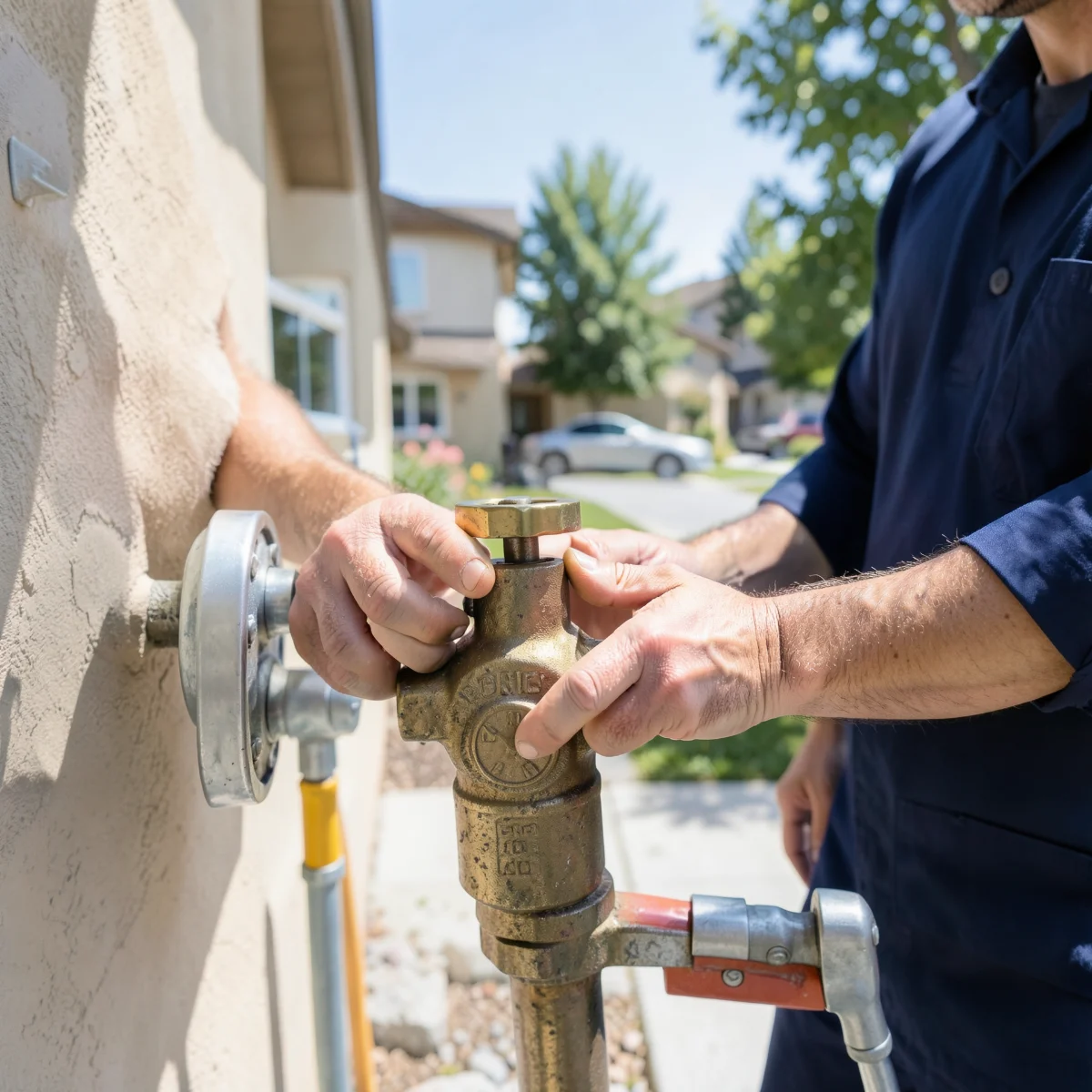
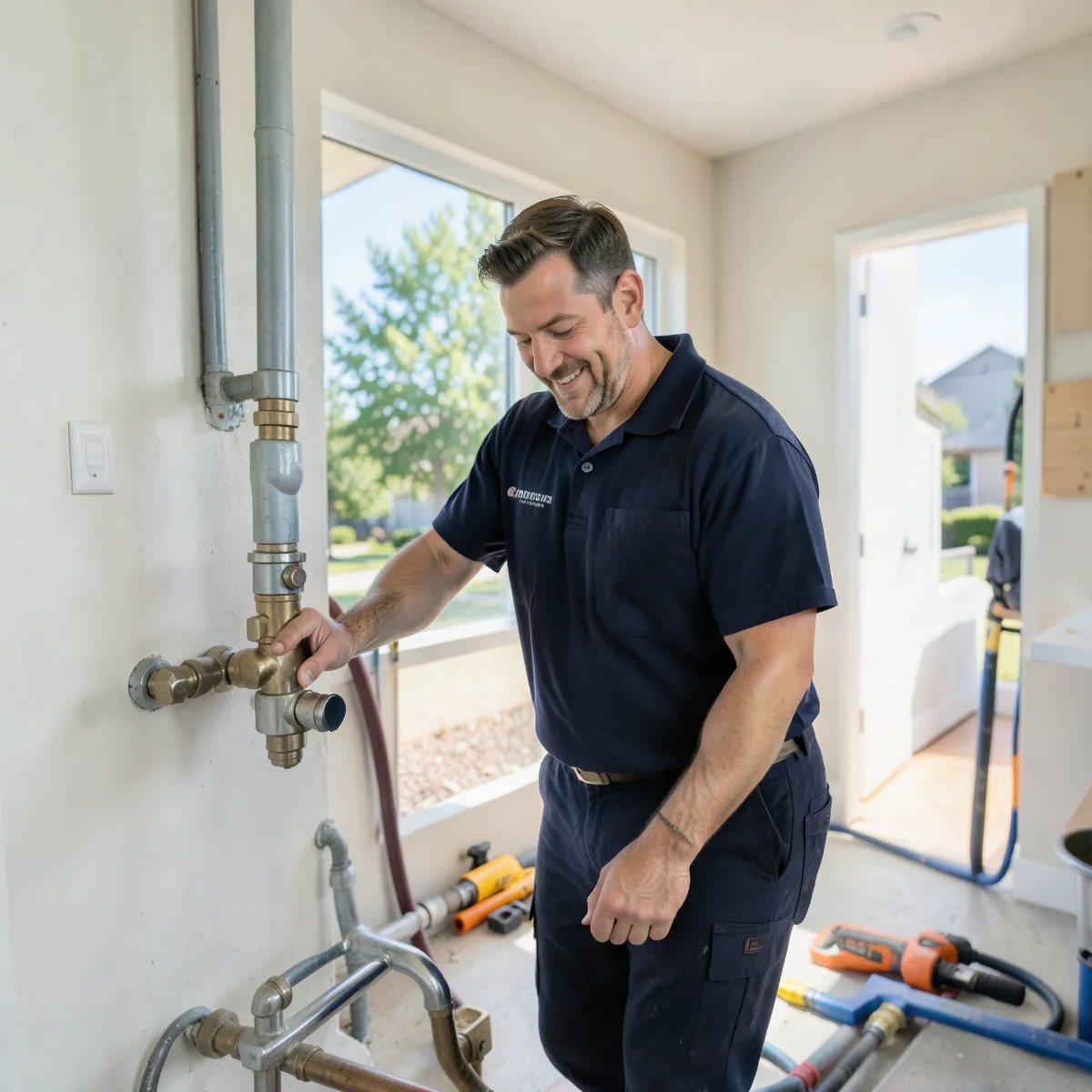
The most important preparation you can do today — before any emergency — is finding and testing your main water shut-off valve. In Arvada homes, it is usually near the water meter, which is typically at the front of the property near the street. Inside the home, there is usually a second shut-off in the utility room or basement near the main water entry point. Know both.
Test the shut-off by closing it fully and confirming that running a faucet produces no flow. Many valves that have not been operated in years are seized — they turn but don't actually stop flow. Find this out now, not during a flood. If the valve is faulty, a plumber can replace it on a routine visit for a fraction of what a missed emergency shut-off costs in water damage.
Individual fixture shut-offs — the angle stops under sinks, behind toilets, at the washing machine — are the other critical set to know. If the emergency is isolated to one fixture, closing that shut-off stops the problem without shutting down water to the entire house. Test these annually; they seize in hard water too.
Burst pipe: the immediate action sequence
Turn off the main water supply. This is step one, always — before you look for the source, before you call anyone, before you grab towels. Water is still under pressure and will continue flowing until the supply is off. Every second of delay adds water to your home.
Once the main is off, open a faucet at the lowest point in the house — a garden hose bib, a basement utility sink — to relieve pressure and drain water out of the lines rather than letting it continue draining into your walls. This is counterintuitive but reduces total water intrusion.
Move electronics and valuables out of the affected area if it is safe to do so without entering standing water. Turn off power at the breaker panel to any area where water and electrical could interact — but do this from dry ground. Then call for burst pipe repair or emergency plumbing and call (207) 419-2600. Document the damage with photos before anything is moved or dried — your insurance claim will need it.
Sewage backup: containing the situation
Stop using all water in the house immediately. Every flush, every running faucet, every appliance that drains adds volume to an already backed-up main line. If sewage has backed up into a floor drain or tub, the line is blocked downstream, and adding more water escalates the overflow.
Do not attempt to plunge a toilet backing up into a tub or floor drain — the system is pressurized from the blockage and plunging can push contaminated water up through other fixtures. Keep people and pets away from the backed-up area. Raw sewage is a health hazard.
Ventilate the affected area by opening windows if the weather permits. Sewage gases — including hydrogen sulfide — concentrate in enclosed spaces. You can clean up the water later; the immediate priority is limiting further overflow and ensuring the air is breathable. Then call for professional emergency plumbing service.
Gas smell: this is not a plumbing call first
A gas smell is a different emergency. Do not operate any electrical switches — including light switches — and do not use a phone inside the building. Leave the building immediately, leaving the door open. Call 911 and the gas utility (Xcel Energy for most of Arvada) from outside or from a neighbor's home.
Do not re-enter until the utility has cleared the building. Gas line issues — after the utility has addressed the immediate safety concern — are handled by licensed plumbers, but the plumber is called after safety is confirmed, not instead of the emergency services that need to respond first.
While you wait: limit damage, document everything
After the immediate action steps, use the time before the plumber arrives to limit secondary damage. Place towels or buckets to slow the spread of water. If water is coming through a ceiling, put a bucket under the drip and poke a small hole in the ceiling at the center of the bulge — this releases the pooled water through one controlled point rather than letting a saturated ceiling collapse. It sounds drastic, but it is less damage than a ceiling collapse.
Photograph everything before you move it: the source area, the affected flooring, walls, and belongings, and any visible pipe damage. Video walk-through is ideal. Insurance adjusters work from documentation; anything you cannot prove happened may not be covered. Start the documentation while you are waiting, not after the plumber has fixed the problem and the water is gone.
When the plumber from emergency plumbing services arrives, show them the main shut-off location and describe what you observed first — timing, location of first appearance, any sounds or smells. That information speeds diagnosis.
Key takeaways
- Know your main shut-off valve location and test it before any emergency — many older Arvada valves are seized and won't fully close.
- For burst pipes: main off first, then drain pressure, then document, then call.
- For sewage backup: stop all water use immediately and keep people away from contaminated areas.
- For gas smell: leave the building without operating any switches, call from outside.
- Document damage with photos and video before any cleanup — your insurance claim depends on it.
Frequently asked questions
If you cannot locate the interior main shut-off, there is a curb stop at the street that can be closed with a meter key — these are available at hardware stores. In a true emergency, your utility can also shut off service at the meter. Find the interior shut-off now, before an emergency, with a plumber's help if needed.
Yes, if it is safe — power is off in the affected area, there is no standing water near electrical outlets, and you are not dealing with sewage. Removing clean water quickly limits damage to subfloor and framing. For sewage backup water, skip the DIY and wait for professional cleanup — it requires proper personal protective equipment and disposal protocols.
Response times vary by time of day and demand, but a local Arvada plumber — as opposed to a regional dispatch center routing you to a contractor an hour away — is generally faster. When you call [(207) 419-2600](tel:+12074192600), you are reaching a local team, not a call center. Ask for an estimated arrival time when you call.
Most standard homeowner's policies cover sudden and accidental water damage from a burst pipe — but not the pipe repair itself. They cover the resulting structural damage, flooring, drywall, and contents. Damage from slow leaks or neglected maintenance is typically excluded. Document the event thoroughly and report to your insurer as soon as possible.
Local plumbing help mentioned in this article
Service areas
Need a hand from a local Arvada plumber?
Whether it is an emergency or a project you have been putting off, Arvada Pro Plumbing dispatches locally, 24/7, with upfront pricing. Call now or request service online.